⏱ Estimated reading time: 5 min read
What a PUBG Helmet Does
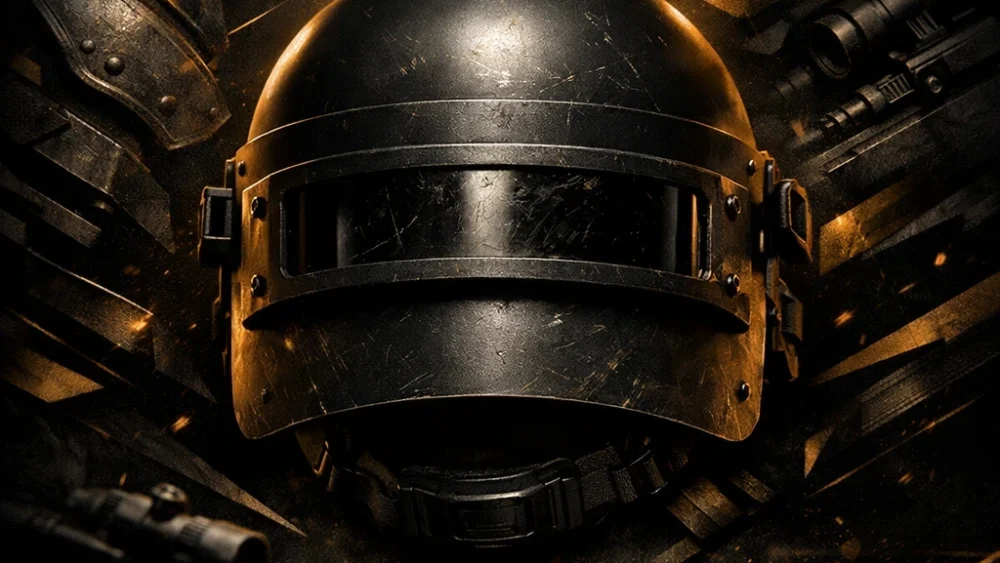
A PUBG helmet is not simply a cosmetic piece of equipment. Its job is to protect your head by reducing incoming damage from headshots. That makes it one of the defensive items that can matter most when a fight is decided by a shot to the head rather than by sustained body damage.
The important distinction is where that protection applies. A helmet’s damage reduction is for headshots. It is not a general answer to every form of damage a player may take during a match, so its value is tied directly to keeping head protection equipped and in usable condition.
That role also changes how to read the item in the middle of a match. The presence of a helmet means some headshot damage can be absorbed; it does not mean the player is permanently protected from headshot damage. Protection is conditional on the helmet’s remaining durability, which can be used up as it takes hits.
In practical terms, a helmet is defensive equipment with a specific purpose: it gives a player a measure of protection when a shot lands on the head. Its usefulness is therefore about both the helmet level being worn and the condition it is in at that moment.
The Three PUBG Helmet Levels
PUBG has three helmet levels: Level 1, Level 2 and Level 3. These labels identify the helmet options players can encounter, and each belongs to the same core category of head-protection equipment.
A Level 1 Helmet is one of the available helmet levels. A Level 2 Helmet is another, and Level 3 completes the set. The numbered system gives players a straightforward way to distinguish helmet types while managing their equipment during a match.
It is tempting to treat those numbers as a complete, precise protection ranking. The available information supports the existence of all three levels, but it does not establish the exact head-damage reduction for each one or provide a verified level-by-level comparison of their protection. As a result, a guide should not attach unsupported percentages, damage thresholds or headshot-survival claims to Level 1, Level 2 or Level 3 helmets.
What can be said clearly is that every helmet level serves the same basic gameplay purpose: reducing damage from headshots. The level label tells you which helmet category is equipped, while durability tells you whether its protective effect is still intact.
That separation is useful when looking at a player’s gear. “Level” and “condition” are not interchangeable ideas. The first identifies the helmet level; the second concerns how much punishment the current item has already absorbed. A helmet can remain equipped after taking damage, but its ability to reduce further headshot damage depends on whether it still has durability left.
For readers looking for exact numerical distinctions between the three levels, those figures should be checked against the current in-game information rather than assumed from the level names alone. The confirmed baseline is narrower but still important: PUBG includes Level 1, Level 2 and Level 3 helmets, and helmets exist to mitigate headshot damage.
How Helmet Durability Works
Helmet protection is not unlimited. Durability is consumed as a helmet absorbs damage, so taking a protected headshot has a cost beyond the damage that reaches the player.
Every point of damage absorbed by protective gear reduces that gear’s durability. For a helmet, this means its protective reserve is gradually spent through the damage it prevents. A player may still see the item equipped after it has been hit, but the key question is whether it retains enough durability to continue reducing damage.
Once a helmet’s durability is depleted, its damage reduction is gone even if the helmet remains equipped. The visual fact that a helmet is still in the equipment slot should therefore not be mistaken for proof that it continues to offer headshot protection.
This is why durability is part of the helmet decision rather than a minor item detail. A fresh helmet and a depleted one may occupy the same slot, yet they do not offer the same defensive value. When a headshot lands, the helmet can absorb damage only for as long as its durability remains.
What to Consider When You Find a Helmet
When deciding how to treat a helmet during a match, start with its confirmed function: it is head-protection equipment. Its value comes from reducing damage from headshots while its durability remains, not from its appearance or from the fact that it is merely equipped.
Keep the level label and durability in view together. Level 1, Level 2 and Level 3 are all recognised helmet levels, while durability determines whether the helmet still has damage reduction to give. A helmet with no remaining durability no longer provides that reduction.
This guide does not establish whether helmets add inventory capacity or other non-protection benefits. It also does not set out level-specific places or methods for obtaining helmets during a match. For those details, use the current game information available when you play rather than relying on assumptions about a particular helmet level.